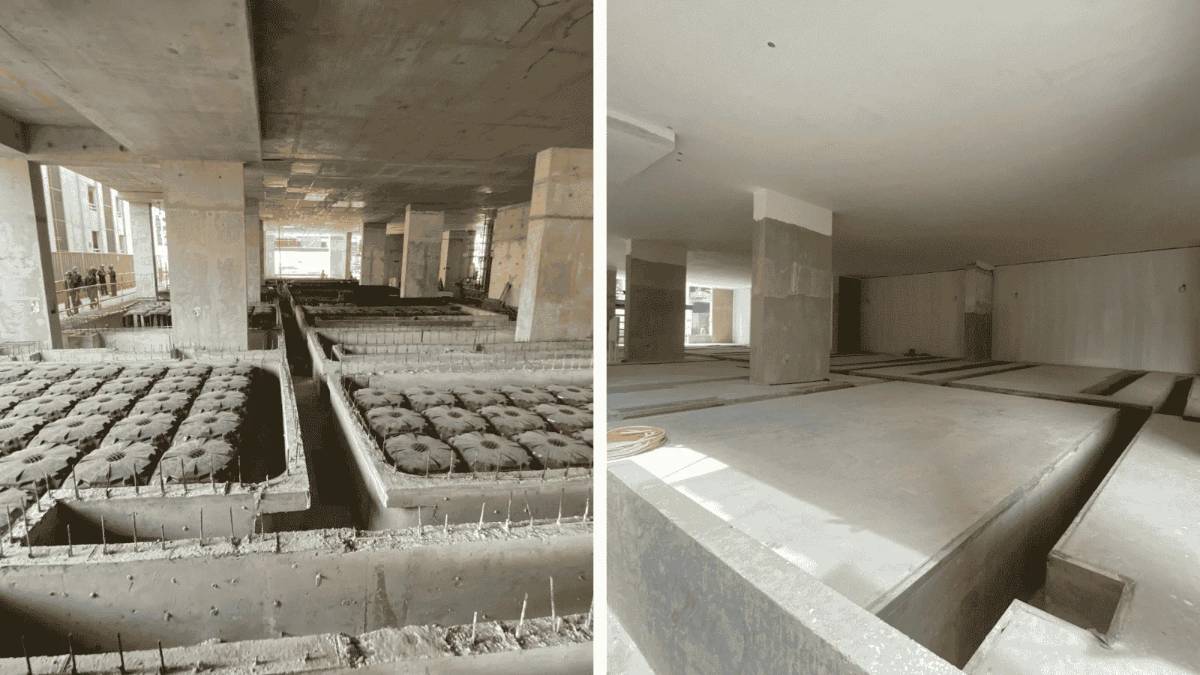
The modern built environment in the UAE is powered by an intricate network of electrical systems. At the heart of these systems within commercial, residential, and industrial buildings lies the low-voltage (LV) distribution room. This essential space houses the switch gear, distribution boards, and cabling that deliver safe, reliable power to every corner of a structure. The construction integrity of these rooms, specifically the proper sealing of conduit and cable penetrations through slabs and walls, is a critical yet often underestimated factor in a building's safety, longevity, and efficiency. This article explores the importance of professional low-voltage distribution room void filling and how specialized construction solutions ensure optimal performance.
Understanding the Low-Voltage Distribution Room
A low-voltage distribution room is a dedicated utility space designed to manage electrical power typically under 1000V AC. It serves as the central hub where power from the main supply is subdivided and routed through protective devices to various circuits. The construction of this room demands meticulous attention to detail, not only for the electrical components themselves but for the building envelope that contains them. Conduits and cable trays must pass through concrete floors (slabs) and walls, creating voids or openings that, if left improperly sealed, can become significant liabilities.
The Hidden Risks of Unsealed Voids in LV Rooms
Failing to properly fill the voids around penetrations in a distribution room can lead to a cascade of operational and safety issues, particularly in the UAE's demanding climate:
Fire Hazard and Smoke Spread: Open voids act as chimneys, allowing fire and toxic smoke to travel rapidly between floors or compartments. This breaches crucial fire compartmentation, endangering lives and compromising the building's fire safety strategy.
Water Ingress and Corrosion: During accidental flooding or even routine cleaning, water can seep through unsealed floor openings. In an electrical room, this poses an immediate risk of short-circuiting and can lead to long-term corrosion of sensitive equipment and cabling.
Pest and Dust Infiltration: Small openings provide access points for dust, insects, and rodents. Dust accumulation can cause overheating in electrical panels, while pests can chew through cable insulation, leading to failures and fire risks.
Loss of Structural Integrity and Acoustics: Large or numerous unfilled voids can potentially weaken the structural rating of a slab. They also allow noise from the electrical equipment (like transformer hum) to travel freely through the building.
The Professional Solution: Engineered Void Filling with Void Formwork
Addressing these risks requires more than just basic mortar or on-site improvisation. It demands a precise, engineered approach. This is where the expertise of specialized building material providers becomes invaluable. The correct methodology involves using purpose-designed, lightweight filler materials that are installed within a controlled formwork system to create a perfect, monolithic fill.
Why Void Formwork Systems are Ideal for LV Room Penetrations
For the critical task of sealing slab openings around conduits in distribution rooms, void formwork systems offer a superior alternative to traditional methods like timber or steel ply. Companies like ABS Middle East, a leader in void formwork solutions in the UAE, provide systems specifically engineered for creating clean, reliable voids and subsequently filling them. Here’s how this approach benefits LV room construction:
Precision and Consistency: Pre-fabricated forms, such as EPS (Expanded Polystyrene) filler blocks or customized ABS+ cardboard formwork, ensure a perfect fit around complex clusters of conduits. This eliminates guesswork and delivers a consistent result across all penetrations.
Lightweight and Efficient: Materials like EPS are extremely light, making handling and installation fast and safe, reducing labor time and cost compared to heavy, cumbersome traditional forms.
Excellent Integration with Concrete: When the permanent filler material is cast in place, it bonds seamlessly with the surrounding concrete, creating a solid, homogeneous slab section with no weak joints or potential leak paths.
Fire Safety Compliance: Modern filler materials and systems are designed to meet stringent fire resistance ratings, helping maintain the required fire integrity of the floor assembly.
Best Practices for LV Distribution Room Void Filling in UAE Projects
For project managers, MEP contractors, and consultants in the UAE, specifying the right void filling solution is a key quality assurance step.
Early Planning: Integrate void filling specifications into the MEP and structural drawings during the design phase. Determine the size, location, and density of all penetrations.
Material Specification: Choose a system designed for the purpose. Look for solutions that offer high compressive strength after filling, compatibility with concrete, and proven performance in Gulf climate conditions.
Expert Installation: Partner with suppliers who provide not just materials but also technical support and method statements. Proper installation is crucial to achieving the promised performance.
Quality Inspection: Treat filled penetrations as a critical inspection point before signing off on slab work. Ensure the fill is flush, solid, and shows no signs of shrinkage or cracking.
Building Safety from the Ground Up
The reliability of a building's electrical system starts with the physical security of its distribution rooms. Professional low-voltage distribution room filling is a non-negotiable aspect of modern construction that safeguards against fire, water damage, and system failure. By leveraging advanced void formwork and engineered filler block solutions, the UAE construction industry can achieve higher standards of safety, durability, and build quality. It transforms a routine construction detail into a strategic investment in the building's long-term operational integrity.
ABS Middle East provides specialized void formwork solutions tailored for the precise creation and filling of voids in concrete structures, supporting the UAE's vision for safer, more resilient infrastructure. For technical specifications and project consultation regarding void formation and filling solutions for utility rooms and other applications, consulting with a proven industry specialist is the recommended first step.